

lectures
Lectures, provided by outstanding experts, are the backbone of The Arts Society. The accreditation process for lecturers is rigorous and members’ feedback is collected after each lecture to ensure the standard remains high. Attending an Arts Society lecture is one of the highlights of the month!
The Arts Society Birmingham lectures are held on a Wednesday morning (usually the second or third in the month) at the CBSO Centre, Berkley Street, Birmingham B1 2LF. Doors open from 9.45 a.m. for tea/coffee and biscuits and proceedings begin around 10.50 a.m. before an 11.00 start. Lectures last one hour and are now also streamed simultaneously via Zoom for the benefit of Members unable to attend in person.
See below for details of our exciting programme of lectures for 2026 – 2027 and also of the eclectic range of subjects that we have covered during the last year.
LECTURE PROGRAMME AND CALENDAR 2026-2027
Wednesday, 30th September 2026
LA SERENISSIMA – THE GOLDEN ERA OF MUSIC IN VENICE
Patrick Craig
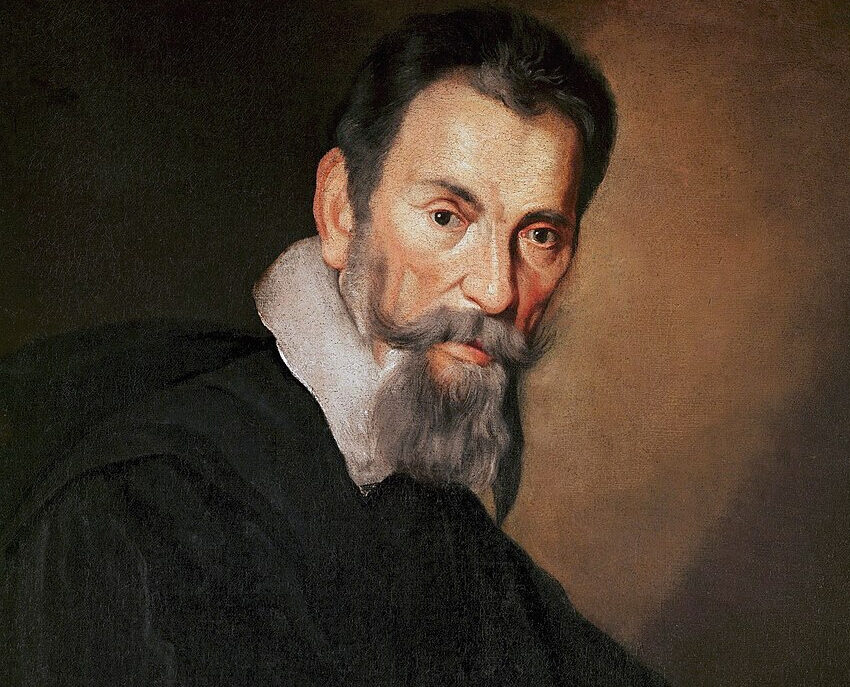
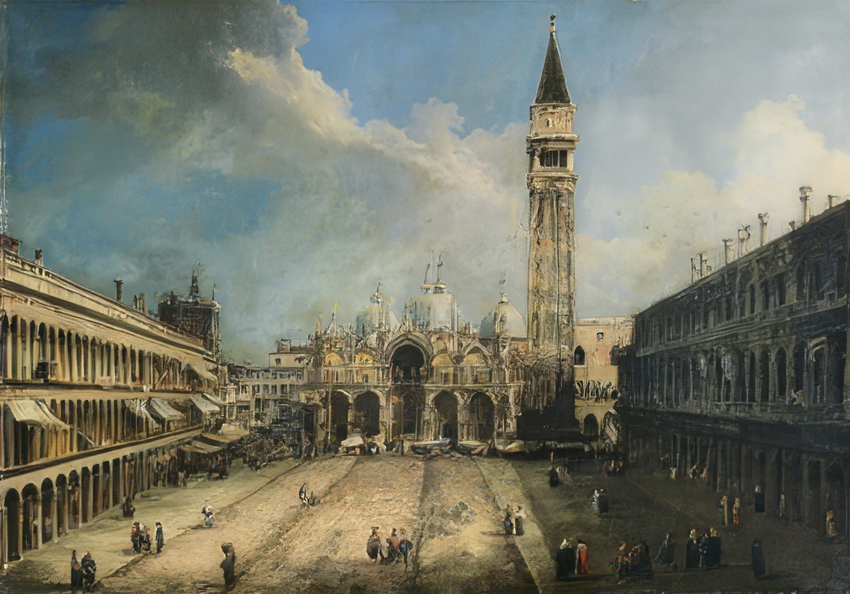
Patrick will explore the rich musical traditions of Venice. Claudio Monteverdi not only transformed the music at the Basilica of San Marco but also led the way in the creation of a new art form – opera.
We shall look at and listen to works from the other musical geniuses who developed the musical life of San Marco such as Gabrieli and Lotti, as well as tracing Monteverdi’s successors in the creation of Venetian opera, including Cavalli and Albinoni.
We shall also examine and hear music from Antonio Vivaldi, the other towering figure of Venetian music, who created music both for the opera stage and the female musicians of the Ospedale della Pietà.
Wednesday, 21st October 2026
A POTTED HISTORY OF BRITAIN
Julian Richards
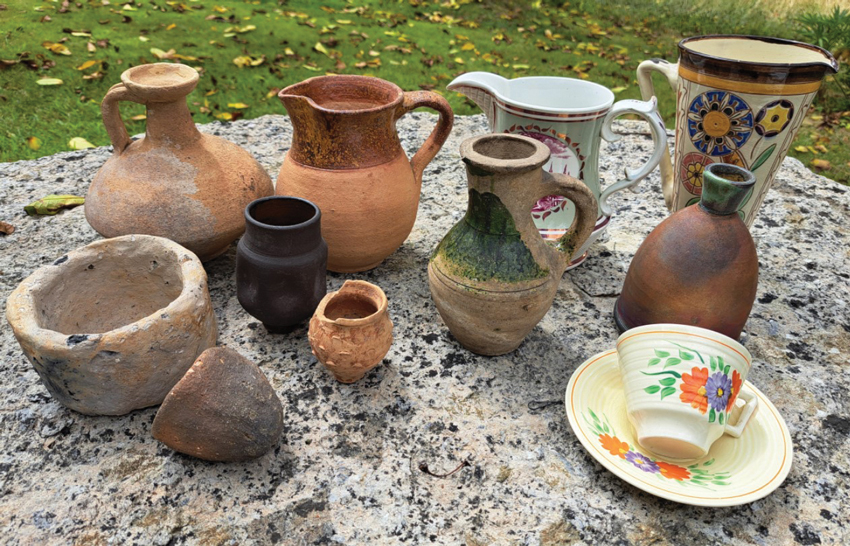
The first pots appeared in Britain about 6000 years ago and this lecture will chart the ways in which ceramic production has evolved from this time to the present day.
From the hand-formed and bonfire-fired pots of our prehistoric ancestors to the products of both modern industry and individual craft potters, this lecture will examine the major changes that have shaped the ways pots are produced and distributed.
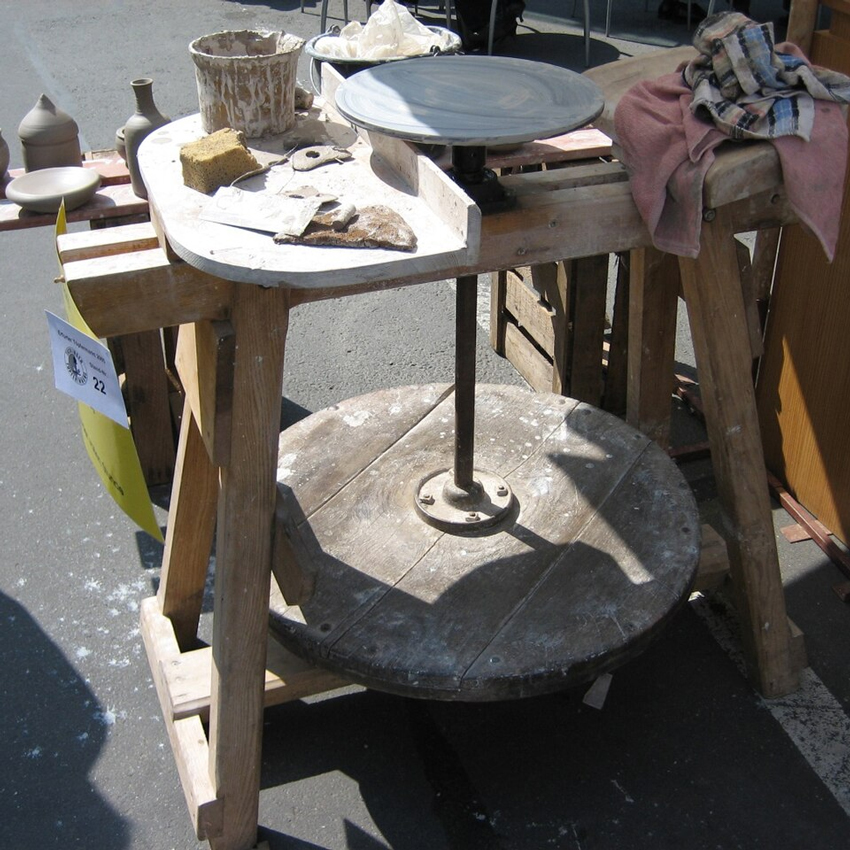
Roman industrialisation, the introduction of the potter’s wheel and kiln, the effects of the industrial revolution on rural potteries and the rise of the art potteries of the 19th century are all part of this evolving story, told through the pots themselves and the potters that made them.
This is a genuinely a ‘potted history’.
Wednesday, 18th November 2026
THE ART OF THE CARTOONIST
Harry Venning
Harry Venning has been a professional cartoonist for thirty years, during which time he has provided cartoons for several high-profile UK publications (The Guardian, Radio Times) as well as for countless more obscure titles (British Journal Of Wound Care). He was awarded UK Strip Cartoonist Of The Year for his Guardian strip Clare In The Community, which he adapted into a Radio 4 sitcom.
In ‘The Art Of The Cartoonist’ Harry will be tracing the history of his profession with examples from early practitioners like Cruickshank and Hogarth, to more contemporary artists such as Giles and Schulz, bringing events right up to date with cartoons produced fresh on the page that day! Yes, Harry will be drawing live. Prepare to hear some tricks of his trade, learn where to put eyebrows for maximum effect and discover exactly what the eskimo brothers said in The Funniest Joke Ever (possibly).

Wednesday, 20th January 2027
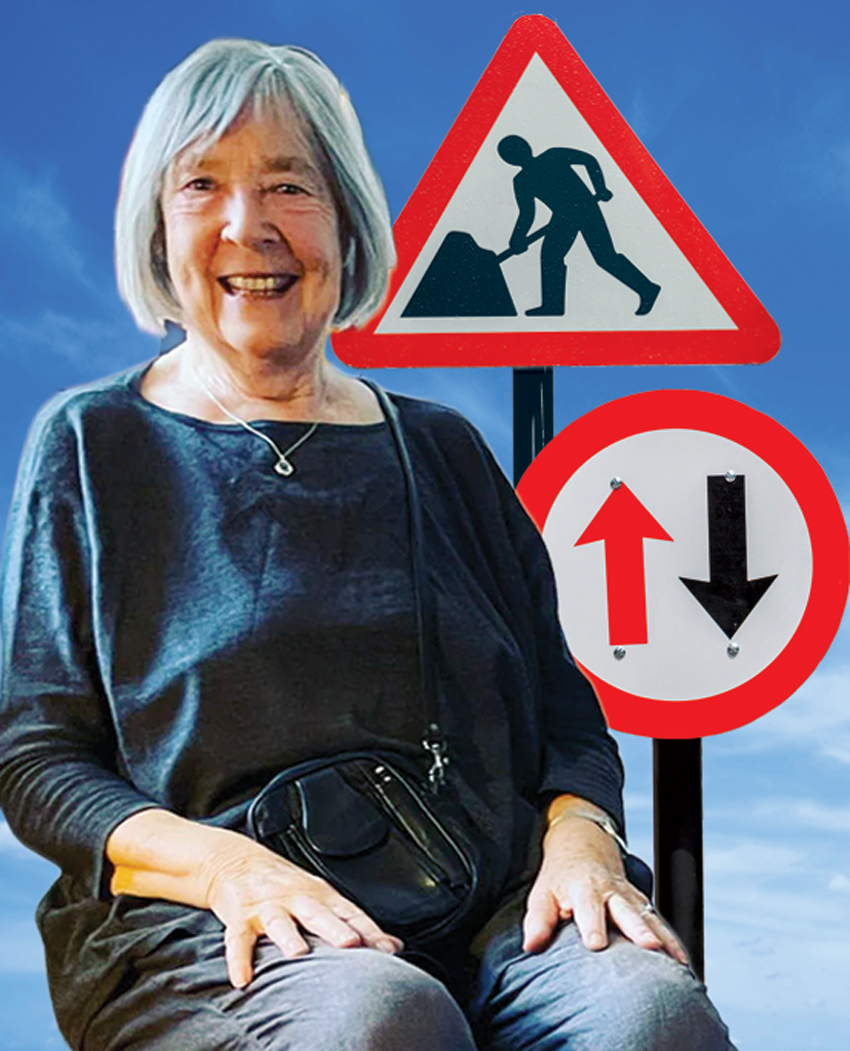
THE WOMAN WHO TOLD US WHERE TO GO
Mark Ovenden
You may not have heard of her but from the early 1960s a young student called Margaret Calvert began working with designer Jock Kinneir and their work utterly transformed the entire face of modern Britain.
They designed the road sign system from the typeface to the colours and shapes. They created the look of British Rail. Their signage was used by every hospital and NHS building. They created the yellow and black wayfinding system of British airports. And all of their ideas were copied around the world.
Celebrate Calvert & Kinneir in this revealing lecture and you’ll never look at the UK the same again.
Wednesday, 17th February 2027
GIOTTO – THE FOUNDER OF MODERN ART
Alice Foster
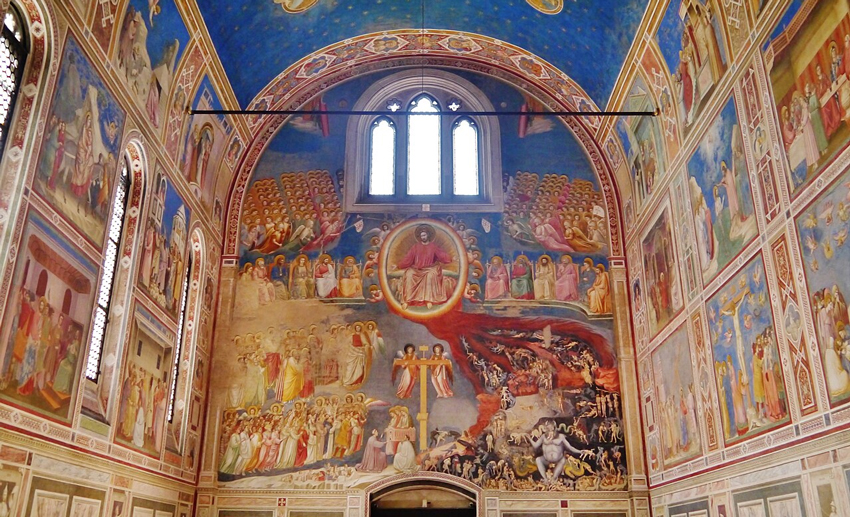
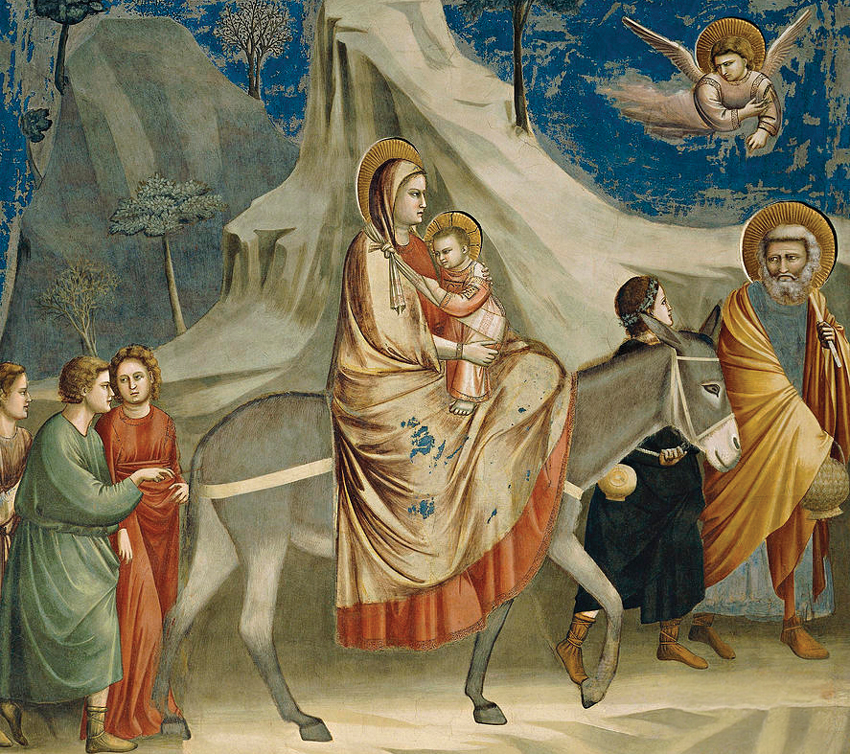
In the early 1300s, a new style of painting appeared that revolutionised art in western Europe. This new style was initiated by the first Italian master to achieve universal recognition in his own lifetime.
Giotto (1266-1337) was described by Dante and Boccaccio as someone who “brought back to light” the art of painting, and “the instigator of the beautiful new style”.
His work is characterised by a sense of drama through body language and facial expression; clarity in terms of storytelling – so much so that his images are still easily readable 700 years on – and with a lively interest in the depiction of three-dimensional space.
My lecture demonstrates these traits by looking closely at the frescoes of the Arena Chapel in Padua.
Wednesday, 17th March 2027
L.S. LOWRY: A VISIONARY ARTIST
Michael Howard
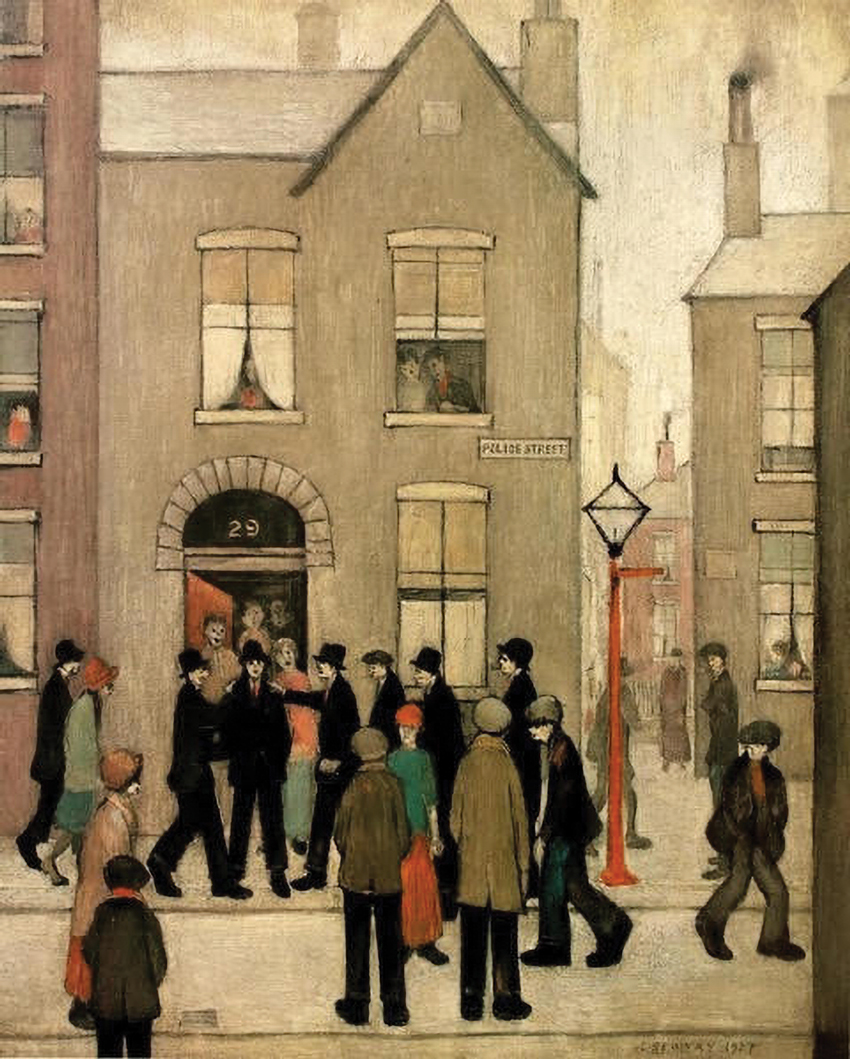
L. S. Lowry is one of Britain’s most popular artists and yet our very familiarity with his work has stopped us looking as closely as we should at this extraordinary artist.
Though famous for painting the mills and factories of the industrial north-west of England, he was really a painter of the human condition.
In this lecture I suggest that his work is the visual counterpoint of T. S. Eliot’s poetry and further, that we can claim him as our English Van Gogh. Too much? Come to the lecture and decide for yourself! Original works by Mr. Lowry and other relevant artists will be available for viewing at the lecture.
Wednesday, 21st April 2027
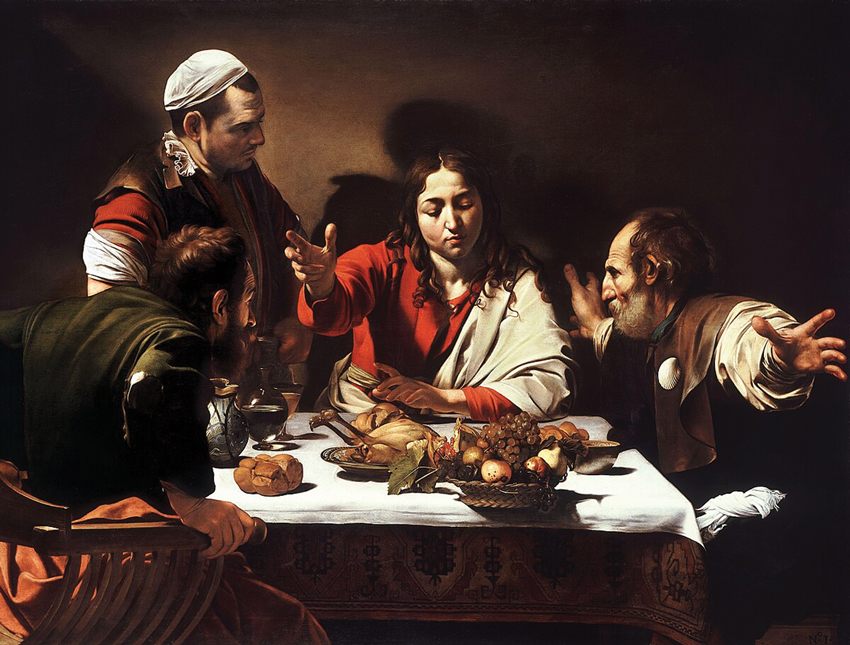
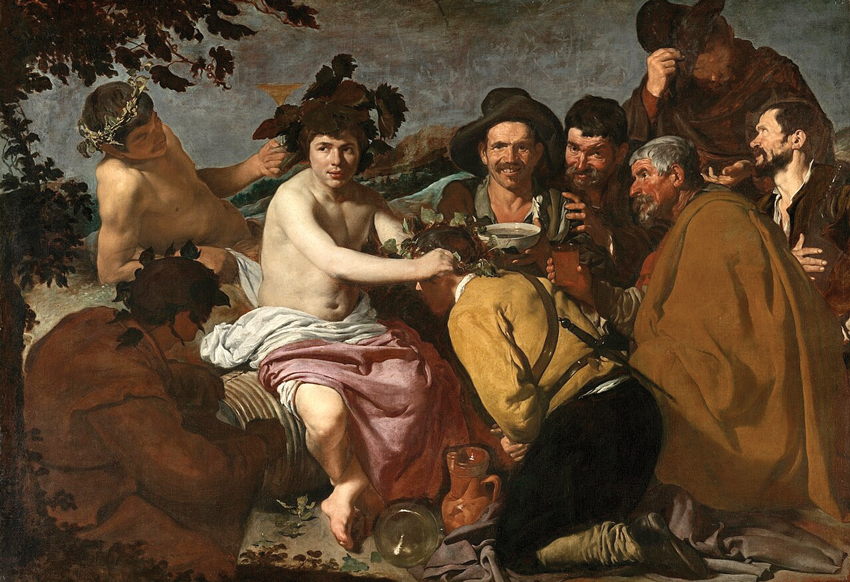
CARAVAGGIO IS NOT THE ONLY ARTIST
Chantal Brotherton-Ratcliffe
What misfortune to be an artist born at the same time as a dazzling personality like Michelangelo or Caravaggio. Perhaps we should pay more attention to the artists contemporary with and learning from such overpowering characters?
This lecture repositions Caravaggio’s achievements in the period immediately following his brilliant but short career.
Turning over the page of art history, it presents the splendid achievements of many artists such as Gentileschi, – father and daughter – the Spaniards Ribera and Velázquez, the Dutch Honthorst, French artist de la Tour, and ultimately, connects him to Rembrandt.
It also asks “what happened next?” – how was it that Caravaggio’s style came to lose its hold and that fashion in art began to change.
Wednesday, 19th May 2027
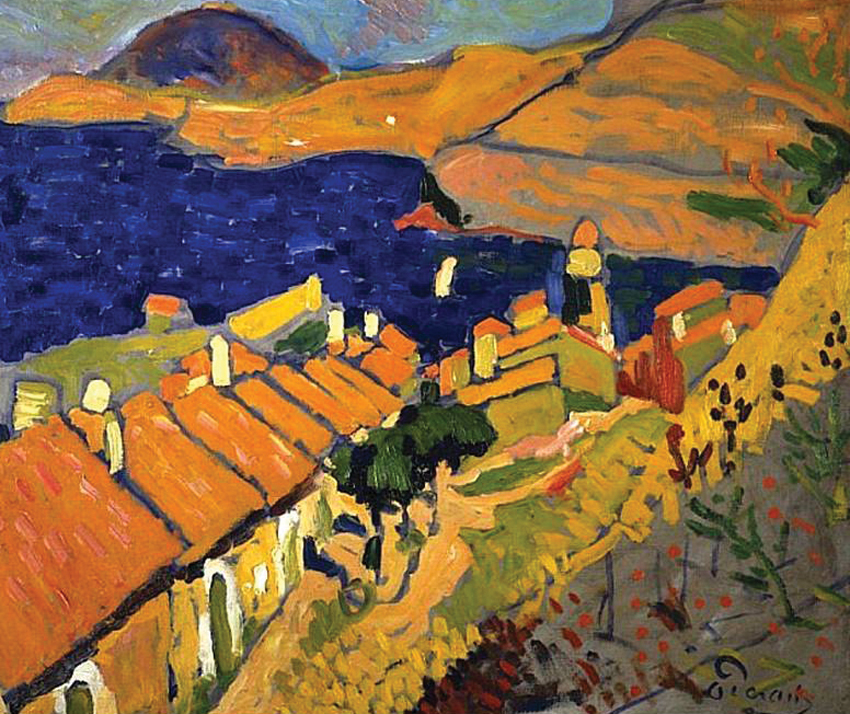
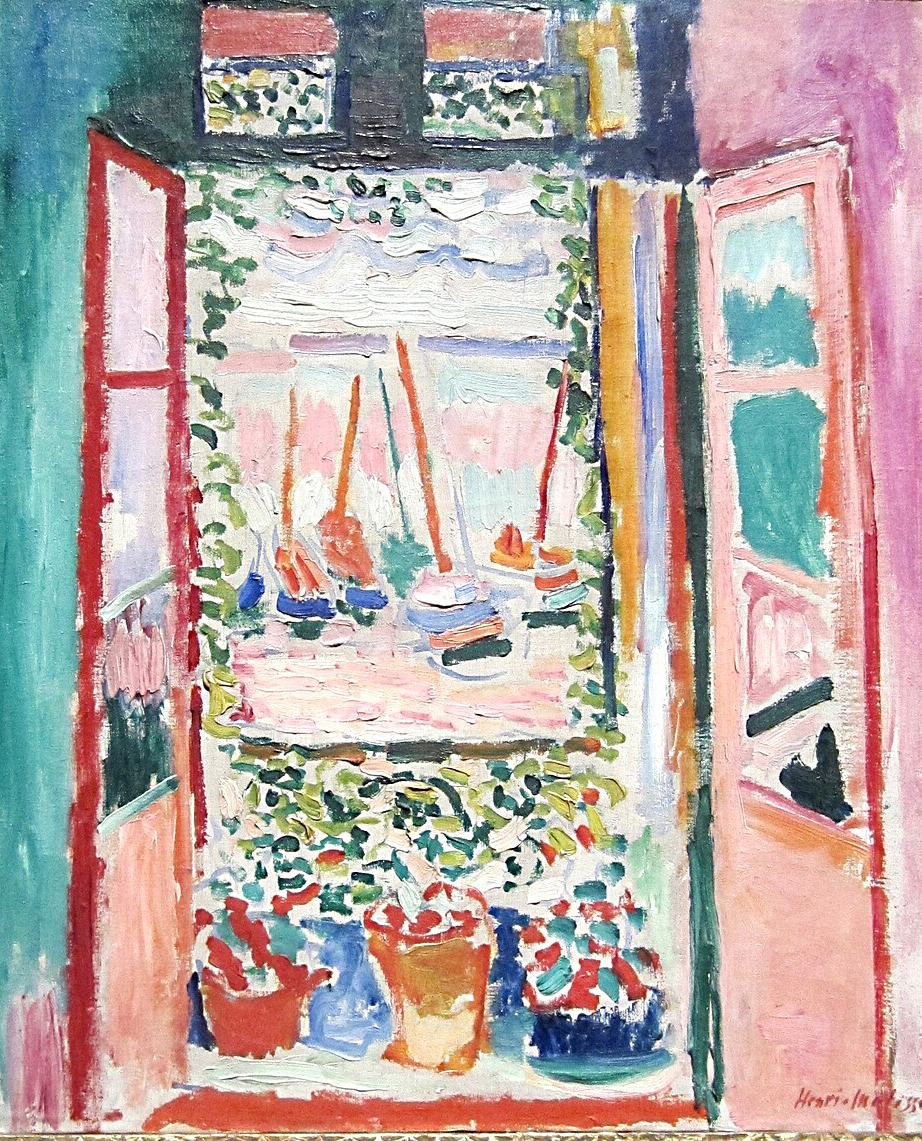
LES FAUVES 1900-1910 A RIOT OF COLOUR
Julian Halsby
This a lecture about a group of very young men who set France alight with pure colour. The artists include Matisse, Derain, Braque, Dufy, Marquet and the Dutch painter van Dongen.
The group exhibited together at the 1905 Autumn Salon and a critic called them the wild animals, in French ‘Les Fauves ‘. Critics also criticised their childish paintings but Matisse was happy with the name:
The Fauves painted along the Seine near Paris transforming the river into a riot of blues, greens and reds. But maybe their spiritual home is the small town of Collioure on the French/Spanish border where Matisse and Derain painted in 1905 and 1906. In 1907 Derain came to London to paint the Thames and Houses of Parliament in brilliant reds, blues and yellows. Braque and Marquet painted in St Tropez which was also an important centre for Fauvism, and they were joined by Charles Camoin and Henri Manguin.
These are wonderful, dynamic paintings, and we, the viewers, are dazzled by the immediacy and daring of these young artists. Fauvism died as quickly as it appeared. It was too intense to last and by 1910 it was no more.
This is a lecture of brilliant colour and stunning images – maybe the perfect lecture.
Wednesday, 16th June 2027
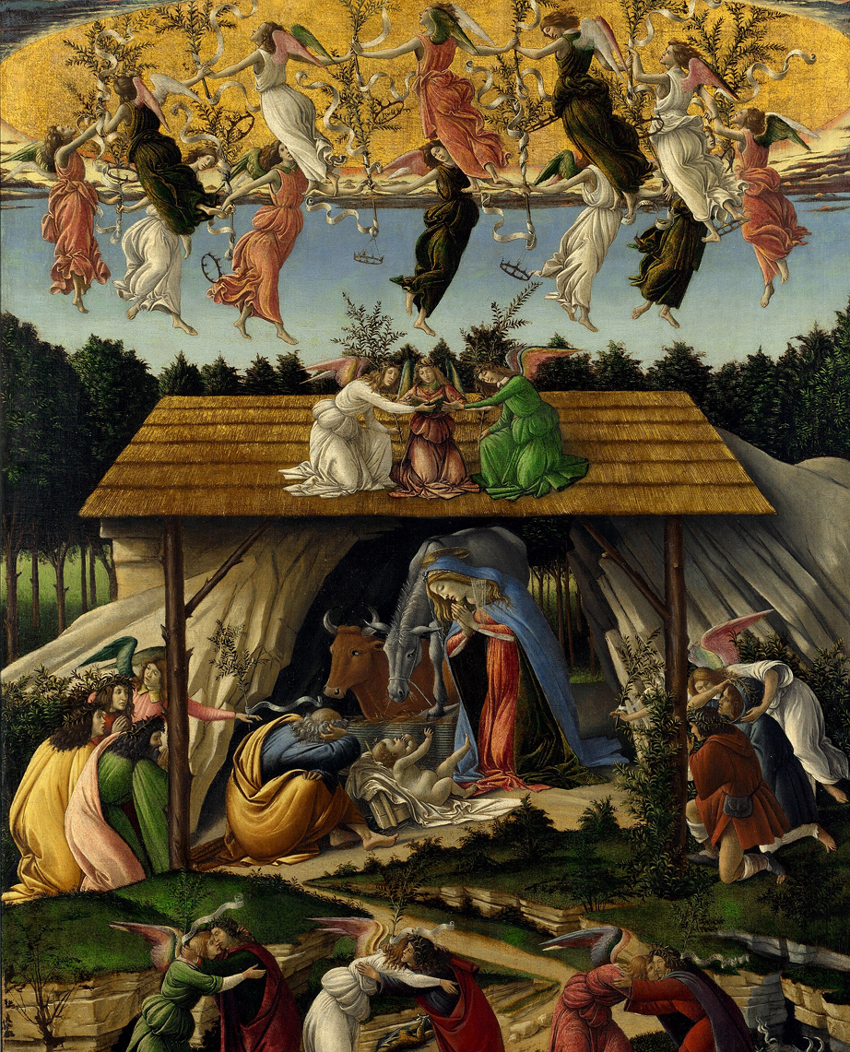
BOTTICELLI’S FLORENCE
Paula Nuttall
Botticelli is one of the best-loved artists of the Florentine renaissance. This lecture looks at his career and at the city that shaped his art, putting his paintings in their historical context, and showing how they reflect Botticelli’s world.
From The Birth of Venus and Primavera, painted during the golden age of the Medici, to the Mystic Nativity, redolent of the religious fervour of Savonarola, who dominated Florence after the expulsion of the Medici in 1494, Botticelli’s paintings are not only stunning works of art, but visual testimony to one of the most eventful periods in Florentine history.
PREVIOUS LECTURES IN THE 2025-2026 SEASON
Wednesday, 10th June 2026
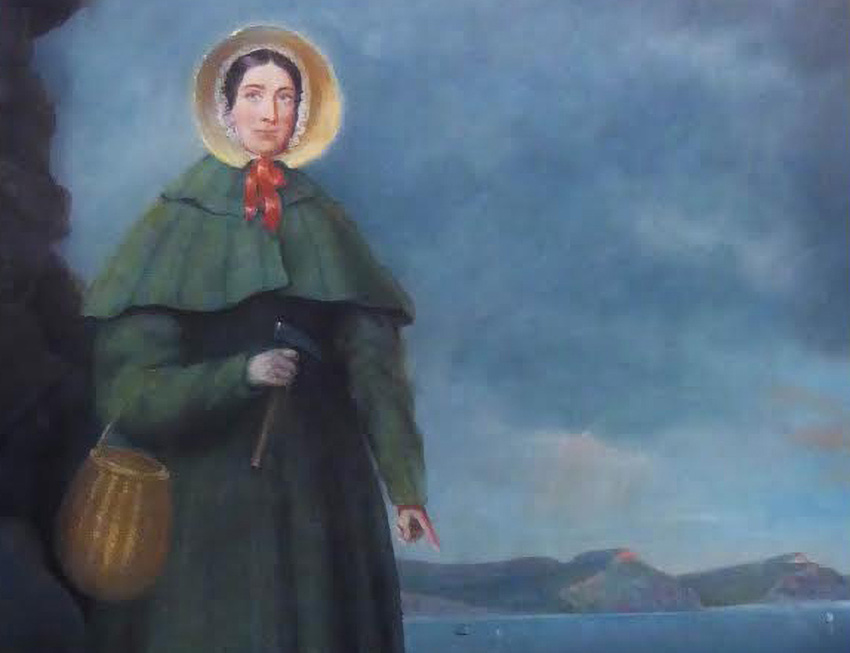
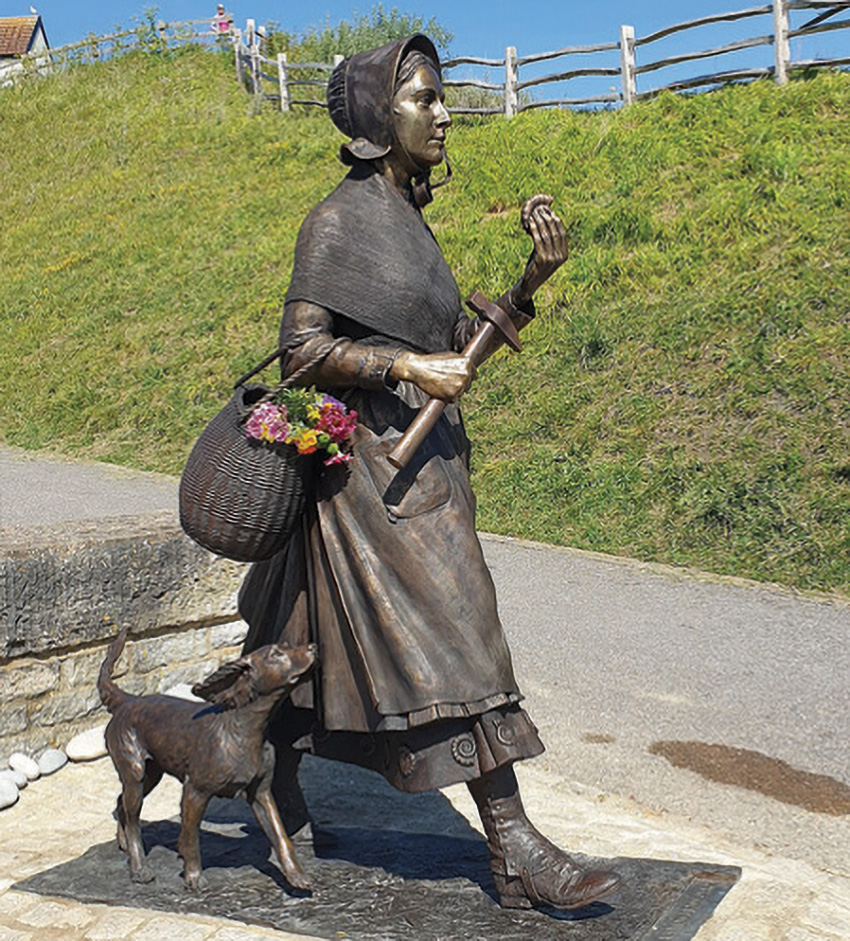
THE JURASSIC WORLD OF MARY ANNING
Dr. Aaron Hunter
Let me introduce you to 19th century palaeontologist Mary Anning and discover how she searched the Jurassic rocks of England’s south coast to unearth what were believed to be sea dragons and we now call marine reptiles.
We will look at the social history and influences of Mary and the 19th century scientists that she would have worked with. We will not only look at these spectacular fossil remains but also see how palaeontologists have revealed how these ancient extinct animals lived.
Our journey will take us into a distant past, from south west England to southern Germany where shallow seas were inhabited by fish lizards, marine crocodiles and floating islands of tree trunks with ancient starfish like animals attached to them.
We will finish by looking at the animals that ruled the land for millions of years, the dinosaurs, and how the first palaeontologists discovered, reconstructed and named these amazing creatures from the Jurassic World.
Wednesday, 13th May 2026
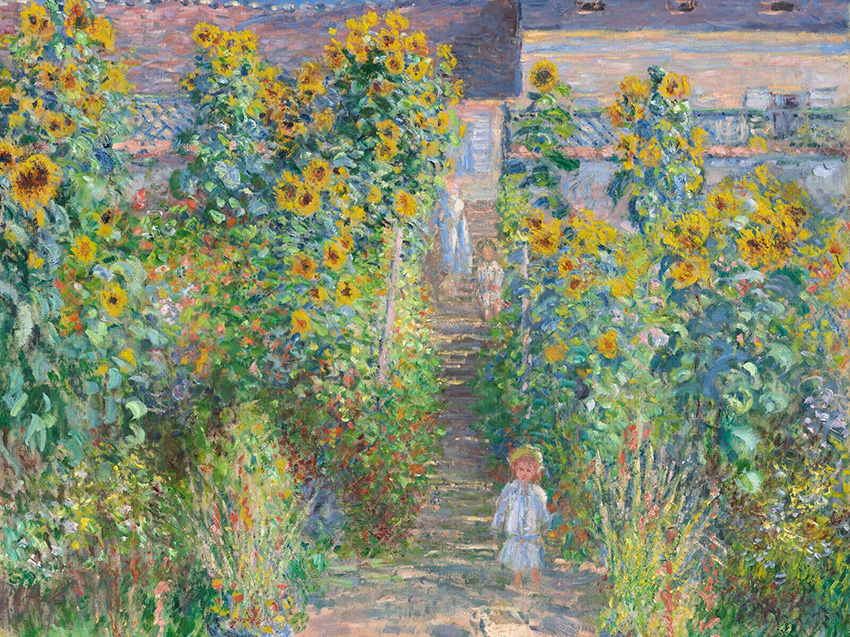
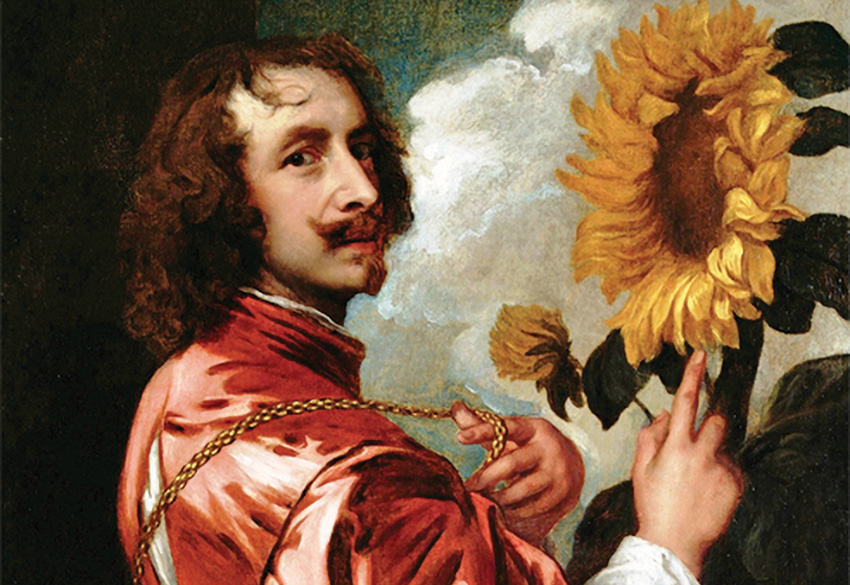
THE DIVINE SUNFLOWER IN ART AND CULTURE
Dr. Twigs Way
Glowing golden in the temple of the Aztecs in its native land the sunflower bridged heaven and earth, war and peace.
Brought to Europe as the Helios-anthos, the flower of the Greek sun god, its symbolism married divine right and divine flowers.
The painter van Dyke portrayed it in self-portrait, although it was Van Gogh who devoted myriad canvases to its intense colour.
Poetry and passion complete our exploration with the sunflower tours of Oscar Wilde and the Sunflower Sutra of the beat generation and Alan Ginsberg. From Clytie to Klimt join me for glittering talk on a golden flower.
Wednesday, 22nd April 2026
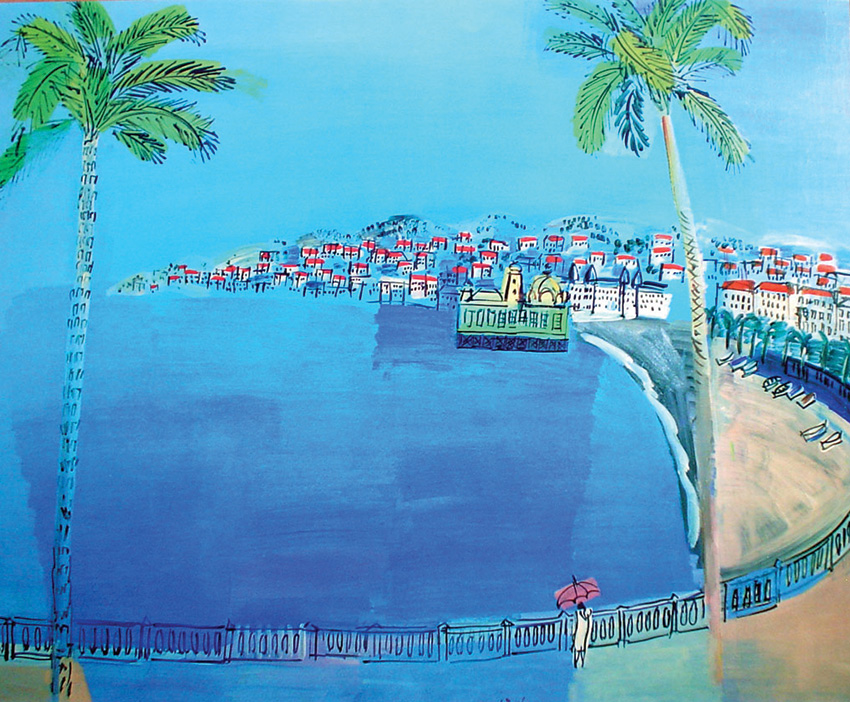
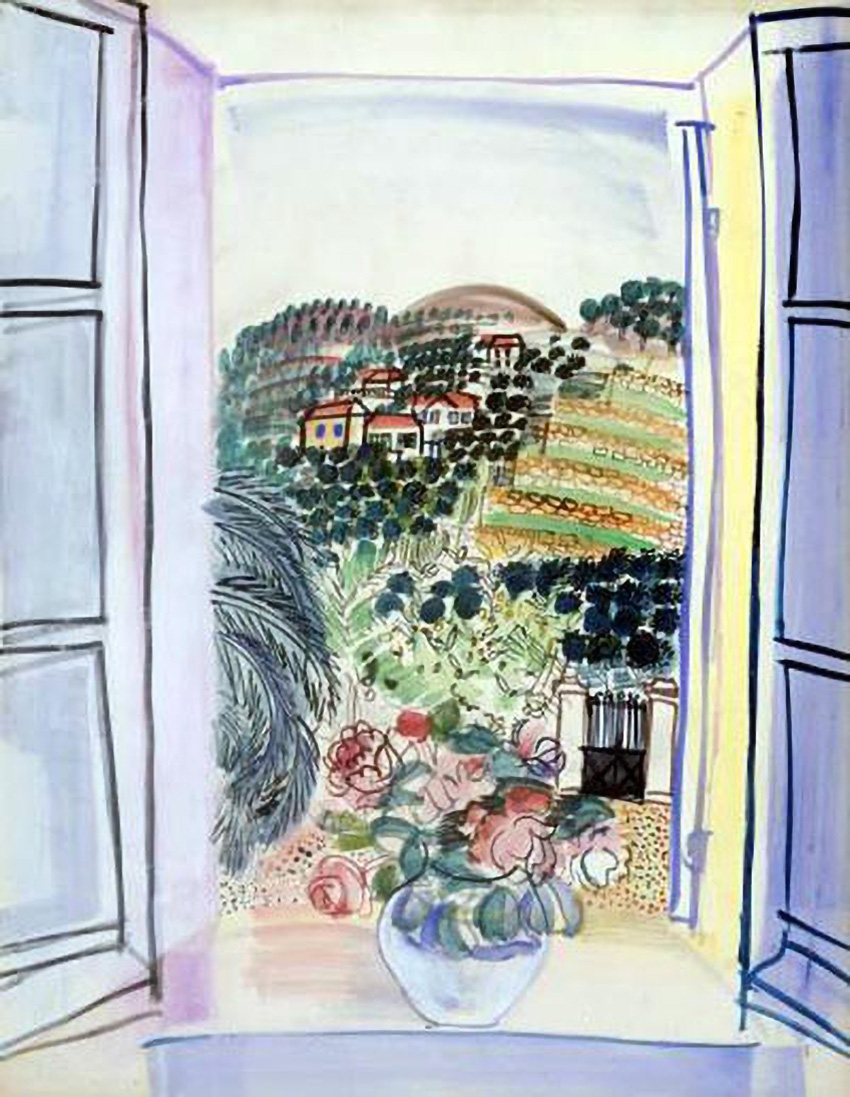
DAZZLING DUFY: INVITATION TO A LUMINOUS FEAST WITH RAOUL DUFY
Mary Alexander
Raoul Dufy (1877-1953) was a key player in early twentieth century avant garde art, design and literary/theatrical circles in Paris.
As a widely travelled polymath, Dufy’s charismatic personality, wit and curiosity about the world was infectious. His imagination and technical virtuosity – across a range of media including painting and lithography, posters, book illustration, theatrical set design, textiles and fashion, ceramics and large murals – cut across all conventional boundaries.
Whether a small intricate woodcut illustrating a love poem, or the truly gigantic 1937 world fair murals depicting the role of electricity in the modern age, the effect is mesmerising.
Dufy defies categorisation, constantly innovating and experimenting with new materials and effects. His analysis of the visual world is sophisticated and joyous in equal measure. Perhaps this goes some way to explain why some later critics fail to grasp its complexity and pigeonhole him a ‘decorative artist’ or misunderstand the irony in his witty yet gentle caricatures of elegant social life.
Wednesday, 18th March 2026
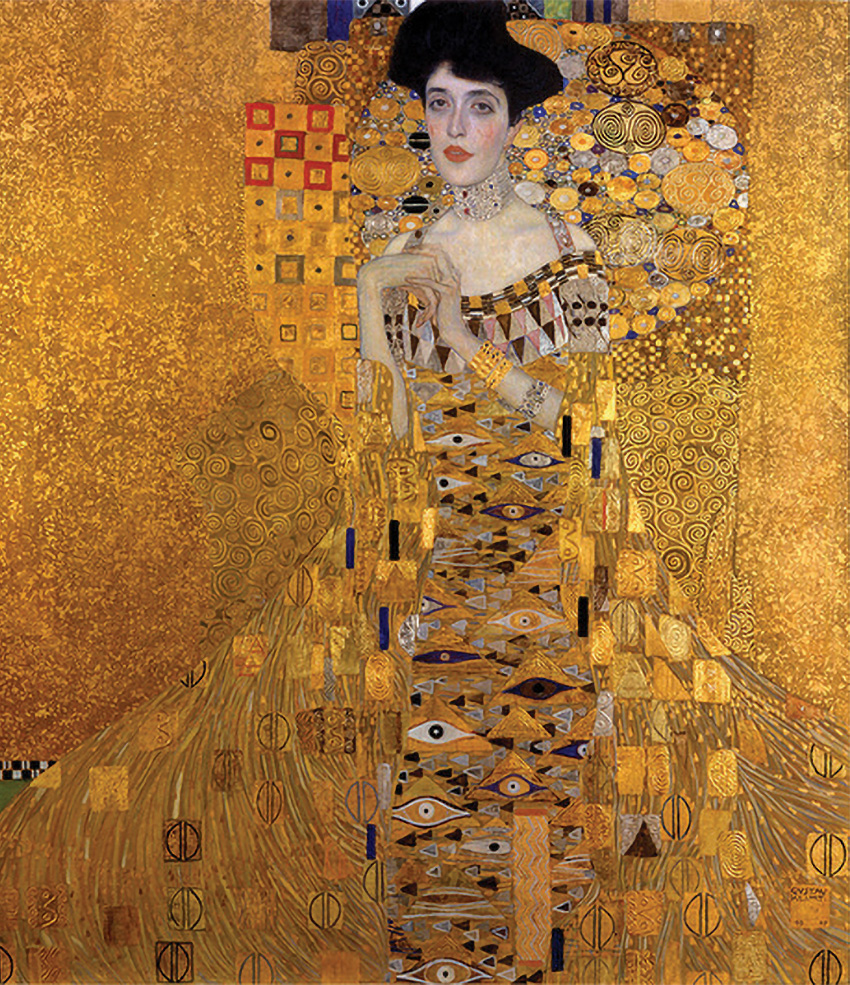
DRESS CODE – TEN ICONIC DRESSES IN ART
Alexandra Epps
Ten iconic dresses within ten famous portraits from the nineteenth and twentieth centuries.Portraits that have shocked and delighted audiences in equal measure – the scandal of Sargent’s little black dress, Whistler’s ghostly women in white, Klimt’s golden visions fit for a queen to the swirling dreamlike drapery of Leighton’s Flaming June.
Fashion and art have long been entwined and in the same way that every picture tells a story so too does every dress!
Wednesday, 11th February 2026
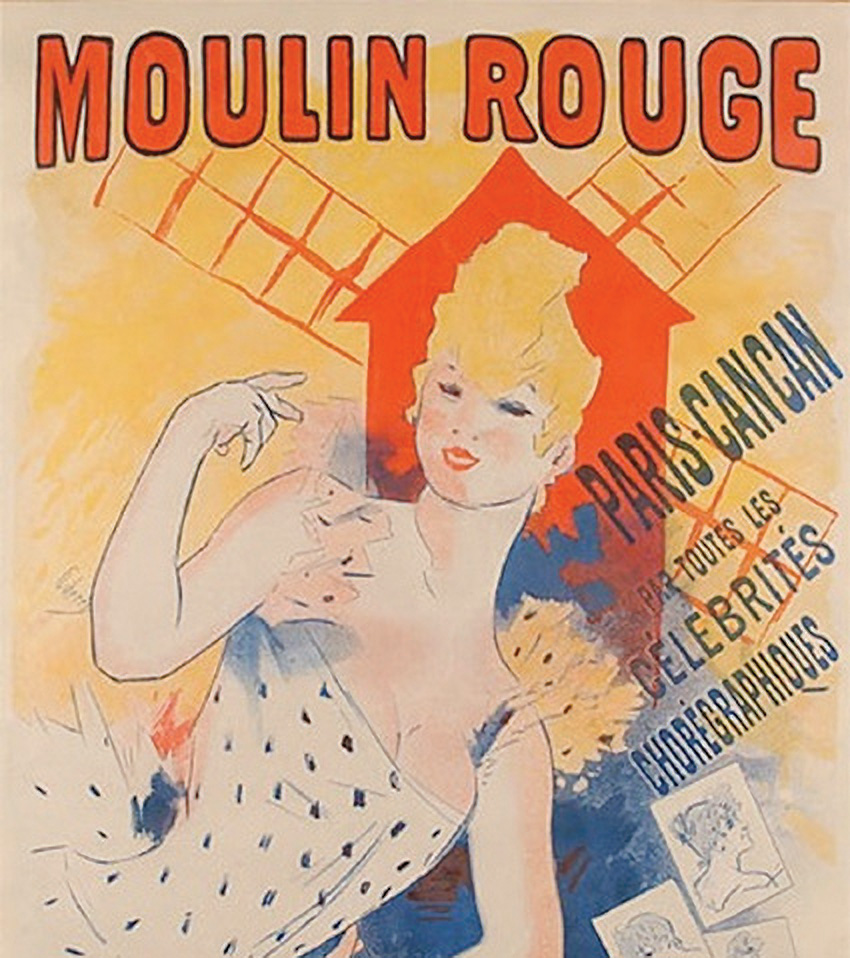
PARIS AND THE BELLE EPOQUE
Cindy Polemis
The Moulin Rouge immediately evokes the Belle Epoque – a period of French, and especially Parisian history around the turn of the 19th century which pulsated with artistic energy, technological and scientific innovations, risqué entertainment and boundless optimism; but was there a dark side as well?
This lecture explores the golden era of Paris.
Wednesday, 14th January 2026
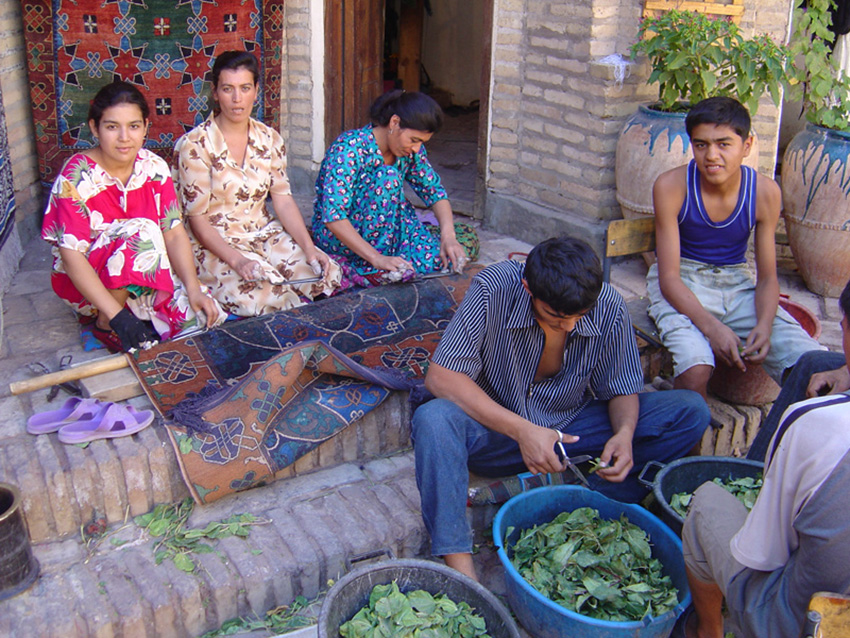
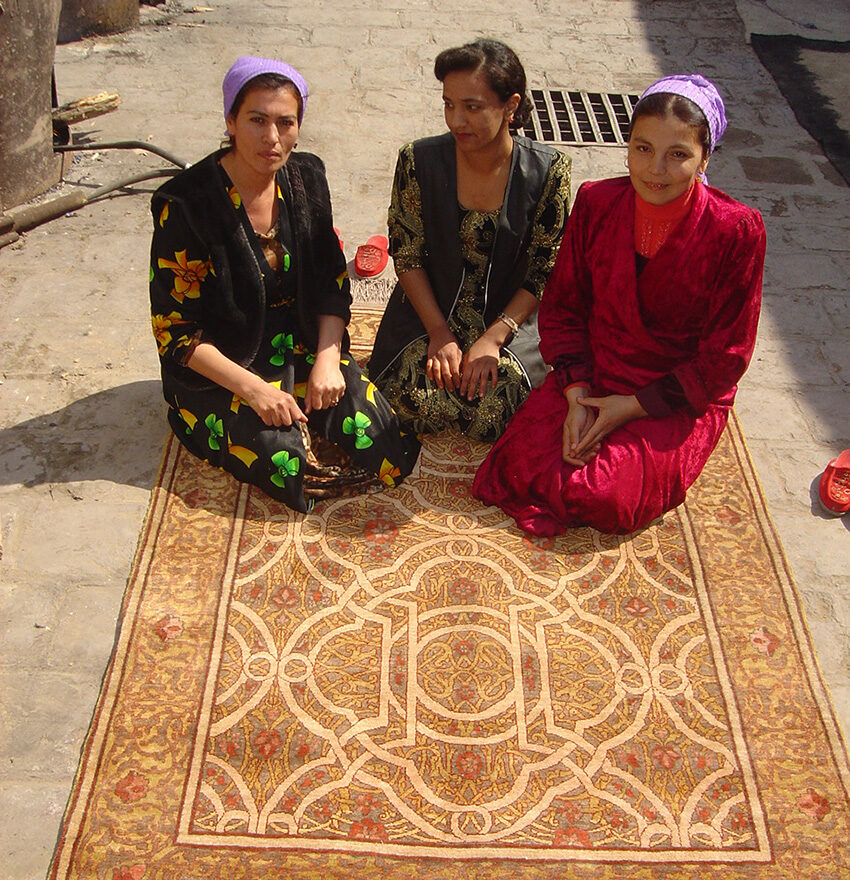
A CARPET RIDE TO KHIVA – EXPLORING THE REVIVAL OF 15TH CENTURY TIMURID CARPET DESIGNS FROM PERSIAN ILLUMINATED MANUSCRIPTS
Chris Aslan
This is a narrative approach to the revival of 15th century carpets in Khiva, a desert oasis in Uzbekistan. Illuminations on vellum – containing the only surviving representations of textiles from this era – flourished, despite the Islamic prohibition on representative art – and are all we had left of Timurid Carpets until Chris Aslan’s workshop began to weave them to life again.
The lecture will examine the traditional role of carpet weaving and embroidery in the social lives of Central Asian women and how social and political influences led to the decline of textile production.
How do the constraints of gender-inequality, corruption and the sourcing of natural dyes from neighbouring Afghanistan continue to challenge attempts at reviving the rich textile heritage of Khiva, Bukhara and Samarkand?
Wednesday, 19th November 2025
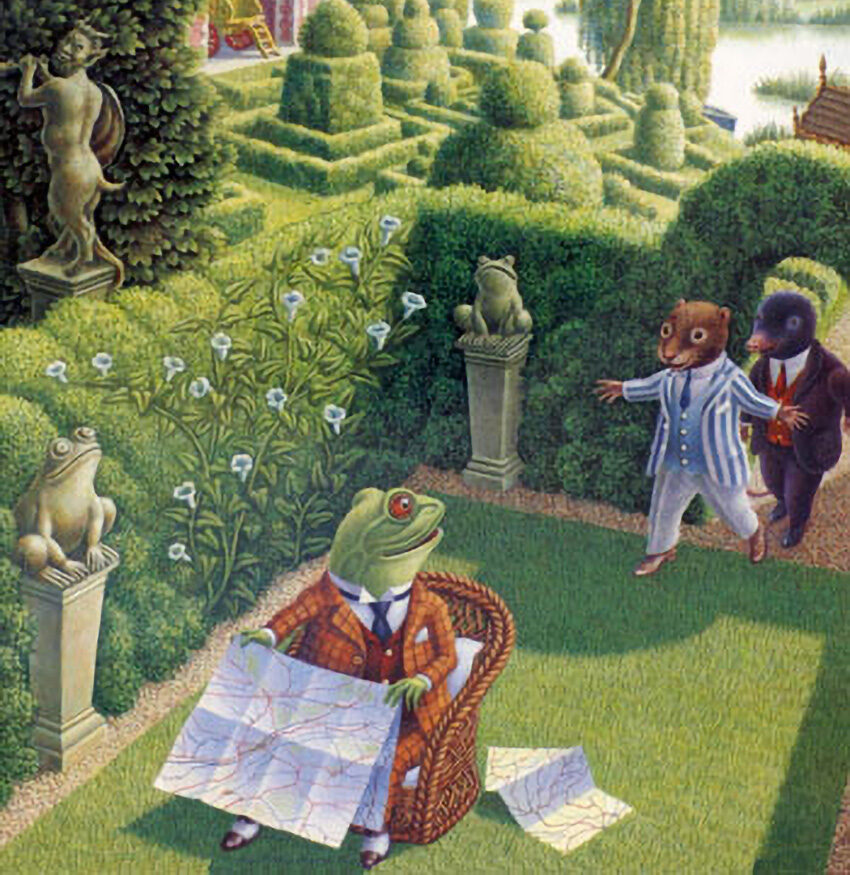
THE WIND IN THE WILLOWS REVISITED THROUGH ITS ILLUSTRATORS
John Ericson
The beauty of Kenneth Grahame’s prose is widely acknowledged but the story is so full of wonderful imagery that it almost demands to be illustrated but when first published in 1908 it had no illustrations.
This lecture revisits the story of Ratty, Mole, Toad and Badger through the eyes of some of the more than ninety artists who have illustrated this much-loved book, such as the great E H Shepard, Arthur Rackham and Val Biro.
‘Willows’ however is a far more interesting book than its popular and often young audience might appreciate. It deserves recognition as a novel in which adult readers will find not just humour and entertainment but wisdom and meaning.
We will also explore how the story came to be written for Grahame’s son Alastair and the interesting but ultimately tragic life of Kenneth Grahame.

Wednesday, 22nd October 2025
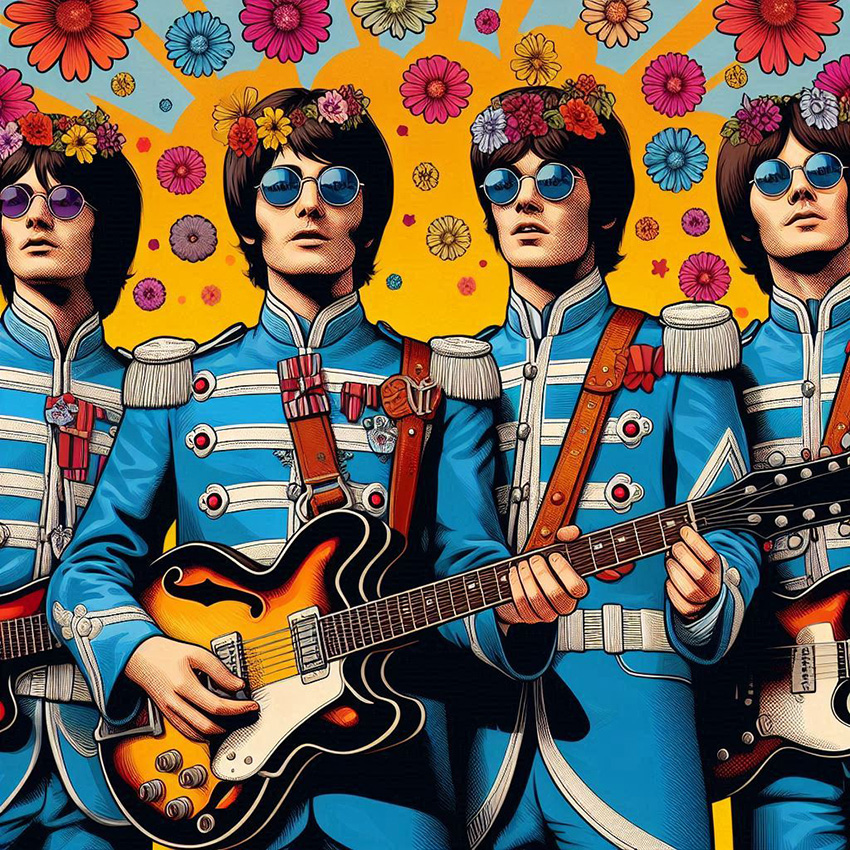
LIKE A ROLLING STONE (THE MUSIC OF THE SIXTIES 1965-69)
Steve King
In 1965, British music dominated the charts on both sides of the Atlantic and the Beatles were blazing a trail across the world. However, in America, the civil rights and anti-war movements were gaining momentum influencing a new breed of writers and musicians; electric folk was born, and album sales started to increase exponentially. This is the story of the second half of the sixties featuring the music of the Beatles, The Rolling Stones and Bob Dylan.
Wednesday, 17th September 2025
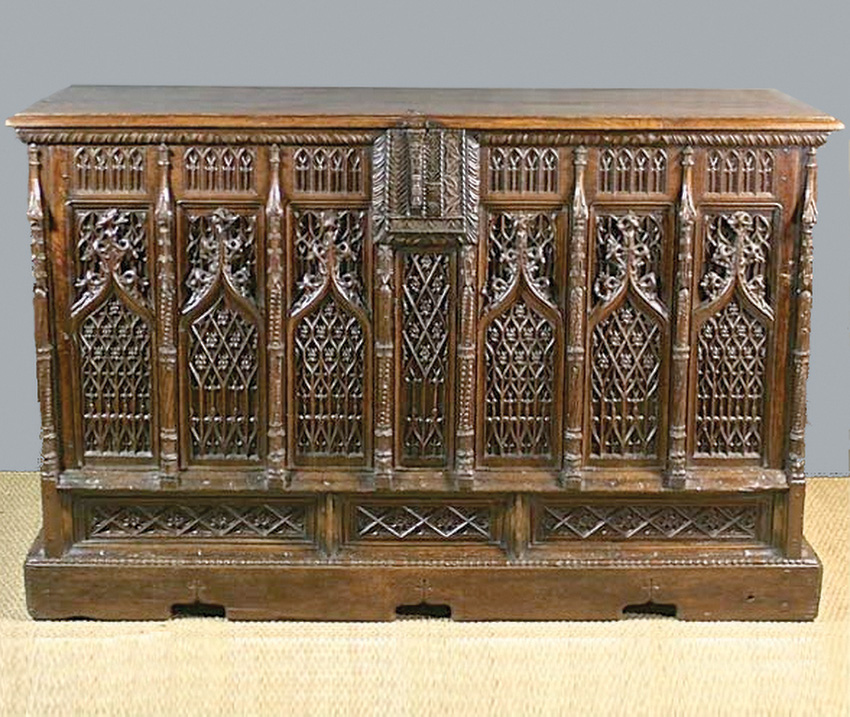
GOTHIC FURNITURE FROM MEDIEVAL TO MODERN TIMES
Janusz Karczewski-Slowikowski
The gothic style has been around for a very long time and has undergone many revivals and re-interpretations, as this lecture will show. Is it the antithesis of classicism or a style equally capable of fine and delicate proportion?
The Arts Society Birmingham Evening
Members of The Arts Society Birmingham may be interested in the programme of lectures and events offered by The Arts Society Birmingham Evening. For further details go to www.tasbe.org.uk.